

Home
Message from the Chair
The Department of Pathology and Molecular Medicine represents a unique integration of basic biomedical science and clinical medicine and is home to the Hamilton Regional Laboratory Medicine Program (HRLMP).
Our department is recognized for its excellence in basic and clinical research, outstanding diagnostic and clinical medicine, and for its strong undergraduate, postgraduate and graduate education, all of which illustrate the expertise and diversity of our faculty and staff.
Our department includes a number of outstanding research groups with expertise in cancer; immunology; molecular virology; respiratory and gastrointestinal diseases; cardiovascular diseases; gene therapy and genetics. All disciplines involve basic and translational research approaches and a number of our faculty hold prestigious research chairs and awards.
This is an exciting and eventful period in medical research and education and many in the department are contributing to major breakthroughs in their specific areas. Many of our faculty are educators in the Bachelor of Health Sciences and Undergraduate Medicine curriculum, and our Postgraduate Training Programs in Laboratory Medicine are considered one of the best in Canada.
This website will provide you with an overview of the many groups and disciplines that make up the department and will also provide information and links to a number of specialized research programs and clinical services.
I invite you to take a complete tour and encourage you to contact me, or any other member of our department for further information.

Chair and Professor of Pathology and Molecular Medicine
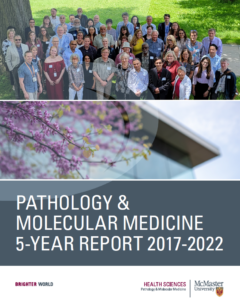
Pathology & Molecular Medicine 5 year report
The Department of Pathology and Molecular Medicine (PMM) has a rich history, filled with outstanding achievements and memorable leaders from the inception of the Department in 1974. When the Department was formed, it was focused on clinical laboratory medicine, but over time it gained a significant role in undergraduate Education and basic research.
The last five years have brought substantial changes to the Department of Pathology and Molecular Medicine at McMaster University. In 2019, the Department began a process to re-envision itself and define its priorities, culminating in the creation of a five-year strategic plan for 2021-2026. This five-year report is the story of the new Pathology and Molecular Medicine structure, function, and goals.
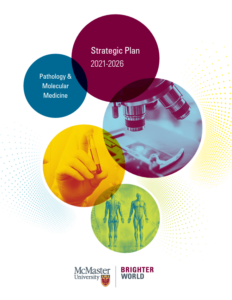
Pathology & Molecular Medicine Strategic Plan
The PMM plan was developed after broad consultation with our faculty and stakeholders throughout fall 2019, culminating with 3 half-day retreats in December 2019. Many discussions, consultations and working groups supported this collective aspiration and goal.
The final document is linked below. It is meant to be a brief reference document that can be easily updated annually throughout the 5-year term of the strategic plan and beyond. This strategic plan focuses on our collective efforts around new vision and mission statements and four pillars that will lay out a focus for our strategic framework in the years to come.
Faculty of Health Sciences News
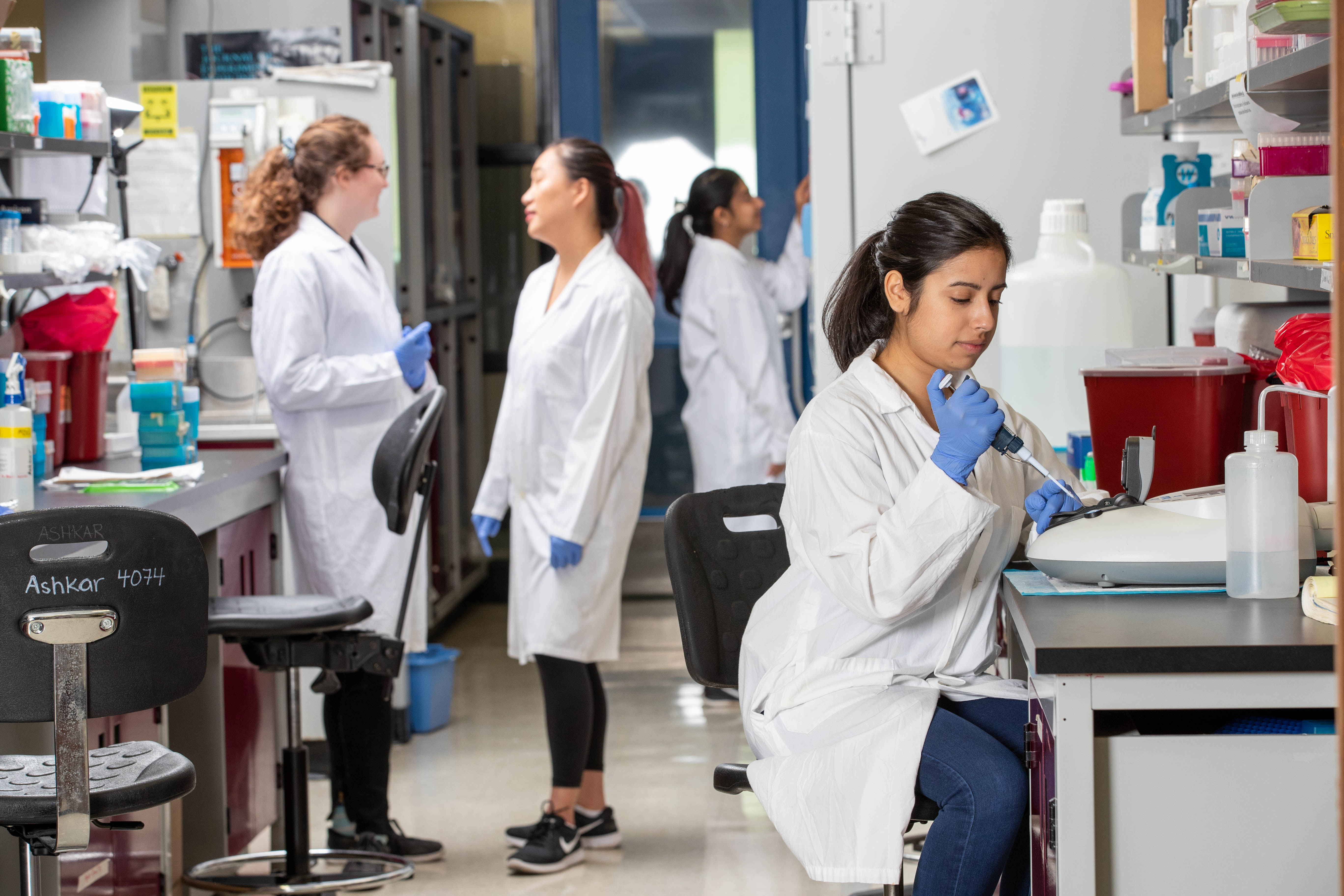
Health Sciences researchers receive more than $14 million in federal funding
Researchers from the Faculty of Health Sciences have been awarded more than $14 million from the Canadian Institutes of Health Research’s (CIHR) Fall 2023 Project Grant competition. Nearly . . .
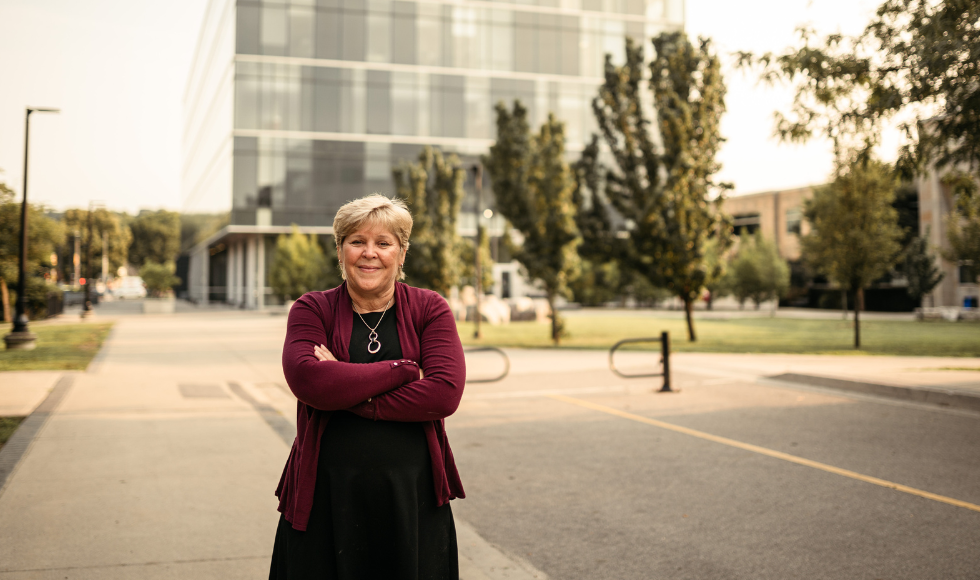
Research hub for vision health receives prestigious Brockhouse Canada Prize
An interdisciplinary team of scientists, engineers and clinicians dedicated to developing new biomaterials and therapies for vision disorders has been awarded the Brockhouse Canada Prize . . .
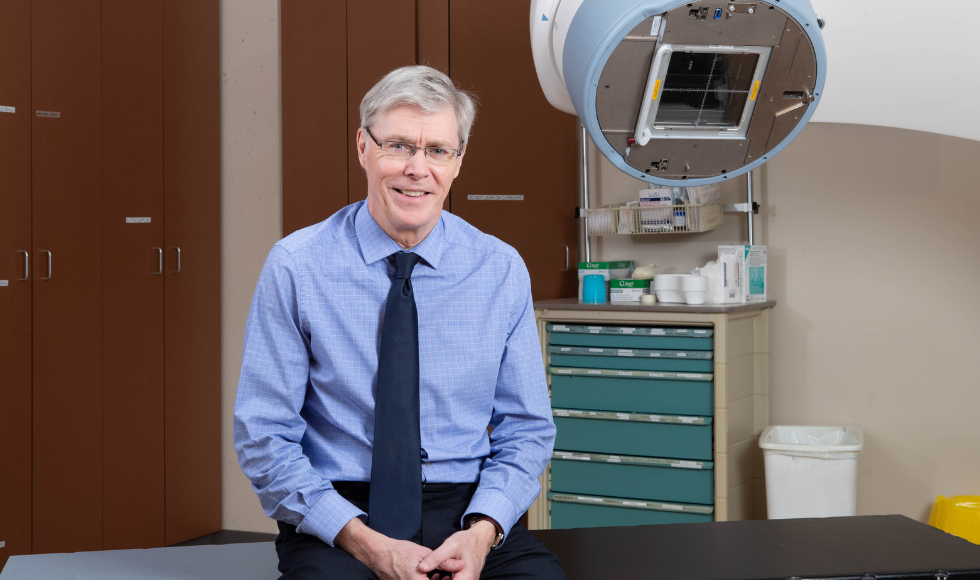
Radiation not necessary for patients with low-risk breast cancer, researchers find
Some women with early-stage, low-risk breast cancer may not need radiotherapy after breast conserving surgery, according to new research led by McMaster University, BC Cancer, . . .